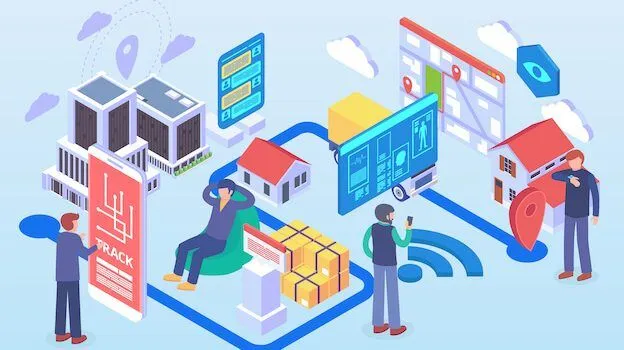
When we hear of blockchain, we often think of it as an IT buzzword that hyped up cryptocurrencies, such as Bitcoin. Even though it primarily serves as a record-keeping system, the key reason why blockchain has gained the limelight is security and reliability it offers, which makes the entire online payment ecosystem multiple times more efficient and trustworthy.
Hence why blockchain drew the attention of technologically advanced companies worldwide who have been rapidly adopting blockchain. From real estate to hospitals, every industry in one way or another is transitioning toward blockchain, and the supply chain is certainly no exception.
It’s fair to say that modern supply chains are complex. A product delivery can travel through continents and go through various custodies, which may involve more invoices, duties, and payments. Such intricate processes can make it difficult to trace and confirm the originality of the products when they are on the way to the final destination. Also, no one can guarantee the safety of the products from contamination.
This is why, when it comes to supply chain management, the best uses of blockchain come into play. The role of blockchain in the supply chain industry begins right when a product is ready to be delivered to the end-user.
When integrated to a supply chain tracking and traceability solution, blockchain involves multiple computers that share a record of consistently updating information and transactions related to specific products or assets. These computers mutually verify and log this information.
Once logged, this information cannot be tempered. These logs are maintained in the form of a ledger that maintains the record of the origin and destination information with flawless accuracy and reliability. This ledger can be connected to sensors that track and trace location, speed, movement, etc.
This chain of custody and change of hands is logged and can be verified from the moment a product is manufactured until it reaches the end-user. Furthermore, the blockchain technology also has the capability to enable product recalls before they are unpackaged by the end-users.
Traceability using Blockchain
Each product in a batch contains the identifiers that trace the product wherever it goes and verifies whether or not each product got tempered during its delivery.
An example of how blockchain works can be simply explained considering this scenario: Alex visits their local grocery shop to buy a pack of milk.
But Alex won’t settle for any type of milk – he’s looking for his favorite brand that sells 100% organic milk and has launched a new chocolate flavor variant.
His brand company takes full care of product hygiene and their packaged milk doesn’t contain any contamination. With blockchain, the grocer can identify Alex’s favorite milk by tracing it back to its original source.